D9610 is the CDT code for a single in-office injection of a therapeutic drug, such as an antibiotic or steroid, to treat a clinical problem.
- When to use: One therapeutic drug was injected to treat infection, swelling, or nausea, such as a steroid to control swelling after a surgical extraction.
- When not to use: Local anesthesia is D9210 or D9215, two or more different drugs at one visit is D9612, and medication sent home is D9630.
- Billing note: Many plans exclude drug administration or bundle it into a same-day surgical procedure, so verify the benefit and document the drug, dose, route, and reason.
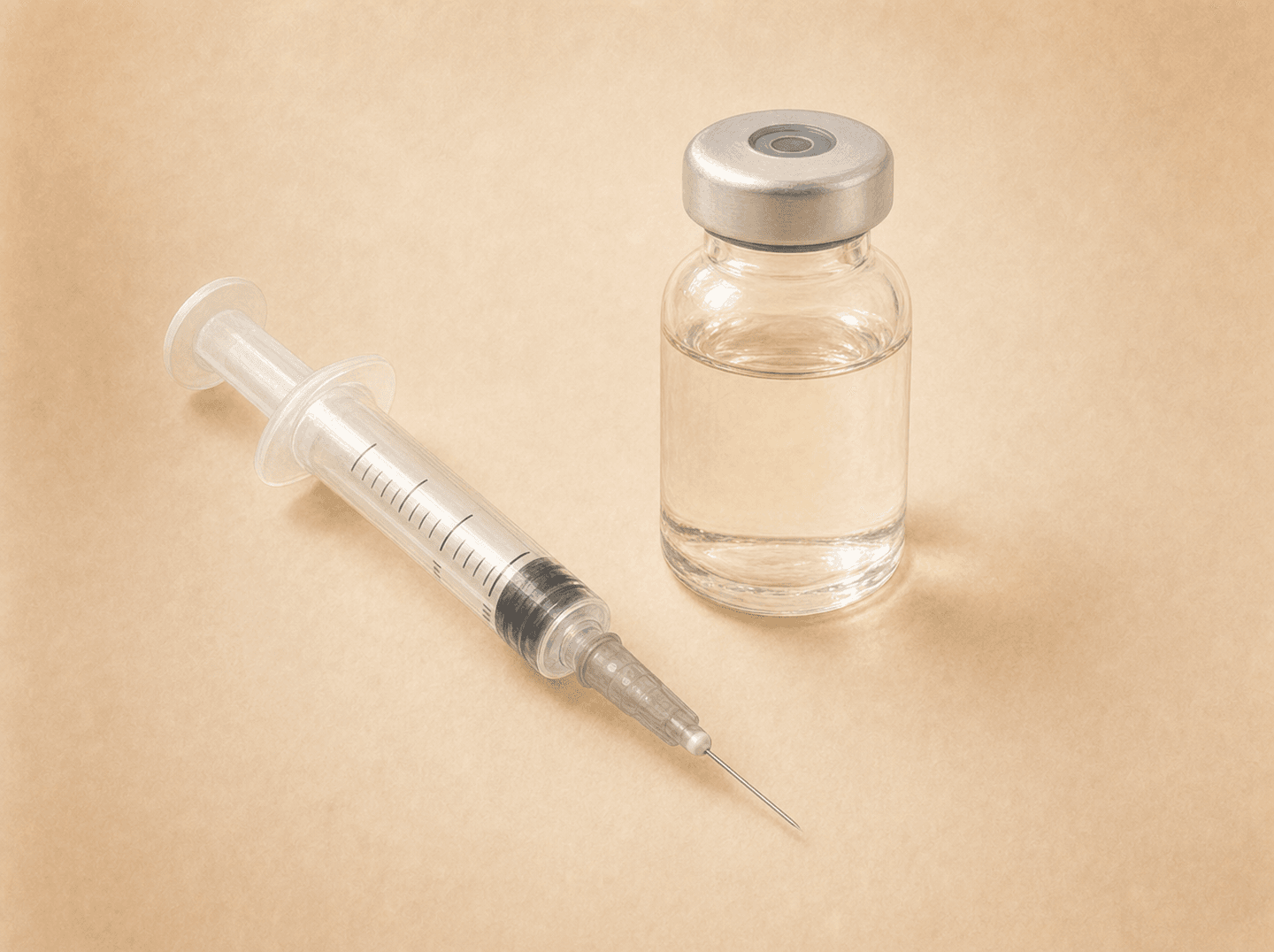
What D9610 covers
D9610 reports a single in-office administration of a therapeutic drug by injection.
Therapeutic means the drug treats a clinical problem: an antibiotic for an infection, a steroid for swelling, an anti-inflammatory, an antiemetic for nausea. It is not numbing tissue or sedating the patient.
Parenteral means the drug bypasses the digestive tract. Carrier policy reads that broadly, covering intramuscular, intravenous, subcutaneous, submucosal, intraosseous, and intranasal delivery. A pill the patient swallows is not parenteral.
The code reports one administration. A steroid injected to control post-extraction swelling is a single D9610 event.
The distinguishing axis: therapeutic, not anesthetic or sedative
D9610 is for a drug that treats something. The code excludes:
- Local anesthesia. Numbing the area for a procedure is D9210 or D9215.
- Sedation and general anesthesia. Minimal, moderate, and deep sedation each have their own codes, so an injected sedative is not a D9610 drug.
- Reversal agents. Drugs given to reverse sedation are part of the sedation episode, not a separate therapeutic administration.
The test is what the drug was for, not whether a drug was injected. Treating an infection, reducing swelling, or settling nausea fits D9610. Billing it for an anesthetic or sedative injection is the most common way this code goes wrong, and it gives a reviewer a clean reason to deny. Label D9610 as therapeutic, not anesthetic, in the PMS code table so the team uses it only for treatment drugs.
Single administration versus two or more: D9610 and D9612
D9612 is for two or more administrations of different medications at the same visit. The word different matters: D9612 counts distinct drugs, not injections.
- One therapeutic drug, given once: D9610.
- Two or more different therapeutic drugs at the same visit, such as a steroid and an antibiotic: D9612.
The same drug given more than once does not by itself move the claim to D9612. D9610 and D9612 describe the same kind of event at different volumes and are not reported together on the same date, so choose the one that matches what was given. Keep them as separate, clearly labeled entries in the PMS so the choice is deliberate.
The other neighbors: D9613 and D9630
D9613 reports infiltration of a sustained-release therapeutic drug, per quadrant. A depot or long-acting drug placed into a localized site and reported by quadrant is D9613, not a single systemic injection under D9610.
D9630 reports drugs or medicaments dispensed in the office for the patient to use at home. A drug injected in the operatory is D9610; medication handed to the patient for home use is D9630.
When to bill D9610
Bill D9610 when the dentist injects a single therapeutic drug in the office to treat a clinical condition. Typical situations:
- A steroid injection to control swelling after a surgical extraction.
- An antibiotic given by injection for an active infection during the visit.
- An antiemetic injected to manage nausea so the planned treatment can be completed.
Coverage reality
Coverage is plan-dependent and varies in three directions:
- Some plans don’t cover it at all, treating the drug administration as part of the procedure it supported.
- Some bundle it into a same-day surgical or operative procedure and deny D9610 as a separate line. When D9610 is on a claim with a surgical or operative procedure, a PMS claim edit or note that prompts the biller to confirm separate payability prevents a predictable denial.
- Some pay it with documentation. A narrative establishing the clinical reason for the drug (the infection, the swelling, the nausea) supports payment on plans that cover it conditionally.
The same drug may be paid separately by one plan, bundled by another, and excluded by a third. Verify the specific plan’s position before expecting D9610 to pay on its own.
Documentation that supports the claim
Therapeutic drug claims get questioned when the record doesn’t make the clinical case. Record at the time of service:
- The drug administered, by name.
- The dose and the route (intramuscular, intravenous, or subcutaneous).
- The clinical reason: the specific infection, swelling, nausea, or other condition being treated.
- That it was a single administration of one therapeutic drug, so the choice of D9610 over D9612 is clear from the record.
For plans that require a narrative, attach it to the claim line, not just the chart, so the clearinghouse sends it. Keep it specific to the patient; a generic line reused across therapeutic drug claims reads as templated when a reviewer sees a batch.
FAQs
- What is the dental code for a therapeutic injection?
- D9610, for a single in-office injection of one therapeutic drug, such as an antibiotic, a steroid, an anti-inflammatory, or an antiemetic, given to treat a clinical problem during the visit. Parenteral means the drug bypasses the digestive tract, which carrier policy reads to cover intramuscular, intravenous, subcutaneous, submucosal, intraosseous, and intranasal delivery. If two or more different medications are injected at the same visit, the code is D9612 instead, and the two are not reported on the same date.
- What's the difference between D9610 and D9612?
- The number of different medications. D9610 is a single therapeutic administration; D9612 is two or more administrations of different medications at the same visit. The same drug given twice is not D9612. A steroid and an antibiotic at one visit is D9612. The two codes are not reported together on the same date, so pick the one that matches what was given.
- Can I bill D9610 for local anesthesia or sedation?
- No, and this is the most common miscode on D9610. The code is for drugs that treat a condition, and it excludes sedation, general anesthesia, and the reversal agents used to bring a sedated patient back. Local anesthesia is D9210 or D9215, and sedation has its own code family. If the injection was to treat infection, swelling, or nausea, D9610 fits.
- What's the difference between D9610 and D9630?
- Where the drug goes. D9610 is a therapeutic drug injected in the office during the visit. D9630 reports drugs or medicaments dispensed in the office for the patient to take home, such as a tube, bottle, or course of medication from office stock. D9630 does not cover a prescription filled at a pharmacy, which its own definition excludes.
- Does insurance cover D9610?
- It depends on the plan. Many dental plans do not cover therapeutic drug administration at all, or treat it as part of the procedure it supported. Some pay it with a narrative establishing medical necessity; others bundle it into a same-day surgical or operative procedure. Verify the benefit, and document the drug, dose, route, and clinical reason so the claim stands up on review.
- Is D9610 a current CDT code for 2026?
- Yes. D9610 is active in CDT 2026, as are D9612 (two or more different medications), D9613 (infiltration of a sustained-release drug per quadrant), and D9630 (drugs dispensed for home use). The 2026 sedation and anesthesia overhaul that revised several codes and deleted D9248 did not change the therapeutic parenteral drug codes.
Related codes
Need help billing this code?
We handle D9610 claims daily.
If your team is spending time on denials, narratives, or carrier follow-up for this code, our outsourced dental insurance billing service can take it off your plate. We submit the claims, post what comes back, and follow up on anything unpaid.
“Claims, posting, denials, all of it gets handled, and it costs far less than hiring another employee. My front desk got hours of their week back, and honestly I just don't think about billing anymore.”
CDT codes are maintained by the American Dental Association. This page is an editorial billing guide, not the official ADA code descriptor. Verify current coverage policies with each carrier before submitting claims.