D0350 is the CDT code for a flat clinical photo of the mouth or face, taken with an intraoral or extraoral camera.
- When to use: The office photographs a fracture, lesion, failing restoration, or the face for ortho records, to document a condition or support another claim.
- When not to use: Any X-ray has its own code, such as D0220 for a periapical or D0330 for a pano, and a 3D photo is D0351.
- Billing note: Most plans bundle D0350 or deny it as non-covered, so tell the patient up front and attach the photo to the claim it supports.
What D0350 covers
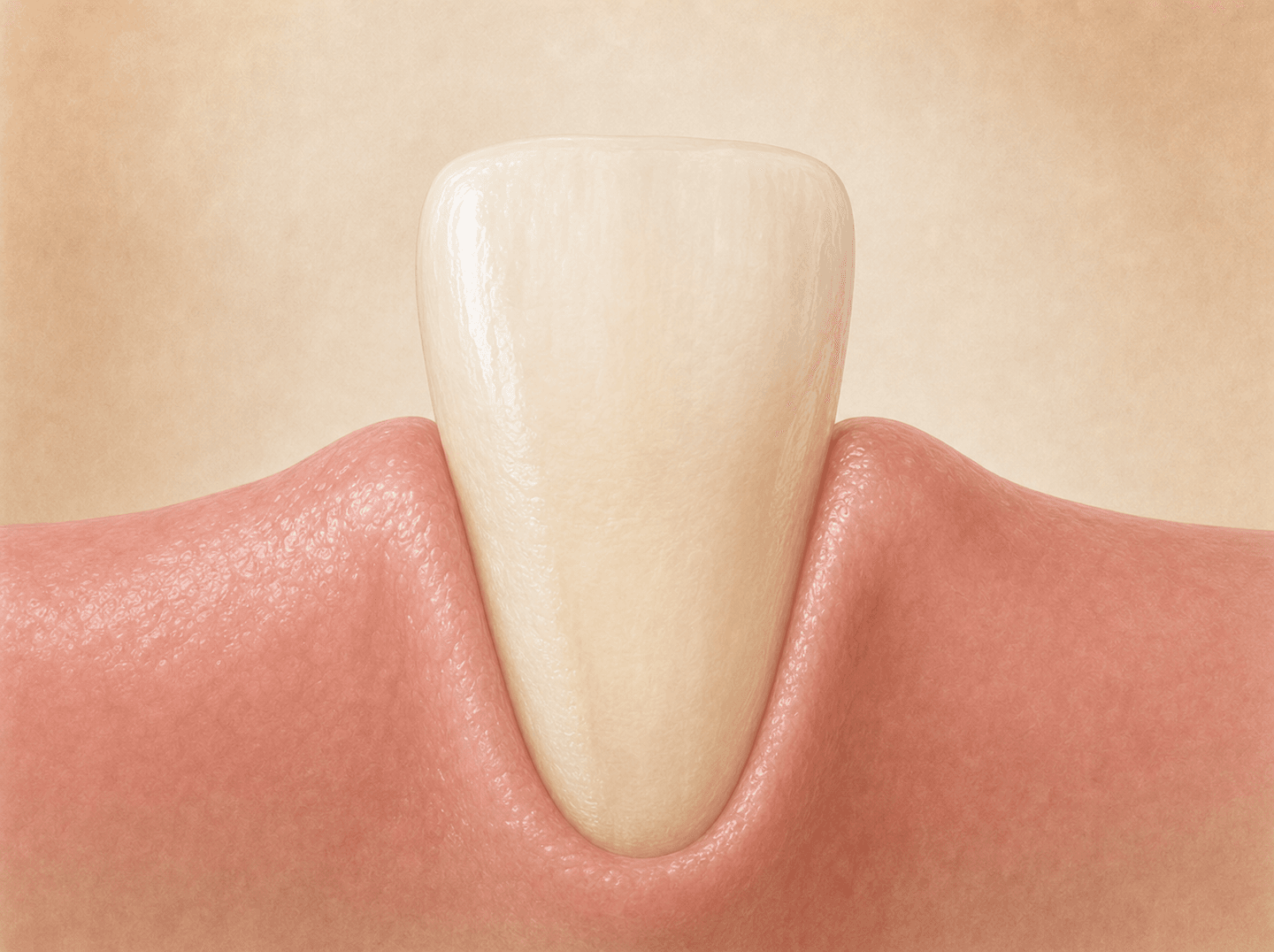
D0350 reports a two-dimensional photographic image of the teeth or face, taken inside or outside the mouth: an intraoral-camera shot of a cracked cusp or a soft-tissue lesion, for example, or an extraoral photo of a facial profile for orthodontic records. It is a photograph, it is flat (2D), and it carries no radiation.
It is a documentation image. It shows a condition visually, supports a diagnosis, tracks a change over time, or backs up another claim with a picture the carrier can see.
It does not cover:
- Any radiograph. X-rays have their own codes (see D0350 versus radiographs below).
- A 3D photographic image. That is D0351.
- 3D radiographic capture such as cone beam imaging, which has its own codes, including the D0364 through D0368 capture-and-interpretation series.
When to bill D0350
Report D0350 when the office captures a flat clinical photograph for the diagnostic record. Common situations:
- An intraoral-camera image of a fracture, recurrent decay, or a failing restoration.
- A soft-tissue or lesion photo documenting pathology before referral or biopsy.
- Extraoral facial photographs taken as part of orthodontic or treatment-planning records.
- A pre-treatment image attached to a crown, trauma, or pathology claim to support medical necessity.
D0350 versus radiographs
A photograph and a radiograph answer different questions and are coded separately. Never bill a photo as a radiograph or the reverse.
- D0350 is a camera photograph. It shows surface appearance: color, texture, visible fracture lines, soft-tissue changes. No radiation.
- A bitewing (D0270 to D0277), periapical (D0220, D0230), panoramic (D0330), or complete series (D0210) is a radiograph. It shows internal structure: interproximal decay, root anatomy, bone level, periapical pathology.
A photo never substitutes for a required radiograph. If a crown claim needs a pre-op radiograph, a D0350 photo does not satisfy that requirement, though it can be attached as extra support.
D0350 versus D0351
The two photographic codes split on dimension:
- D0350 is a 2D image, the flat photographs most offices take every day.
- D0351 is a 3D photographic image, a volumetric capture that is far less common in general practice.
Use D0351 only when the capture is genuinely three-dimensional photography, not a standard camera shot.
What carriers actually pay
Carriers usually treat a clinical photo as adjunctive: it supports a diagnosis or a primary procedure rather than standing alone as a billable service. The common outcomes are a bundle into the associated treatment or a non-covered denial. A subset of plans reimburse D0350 in defined circumstances, and that varies by plan, contract, and network status.
If the office plans to bill the photo, verify coverage before the visit and tell the patient up front that it may not be a covered benefit.
Documentation that supports the claim
When D0350 is reported, the record should carry:
- The patient identifier and the date the image was captured.
- A short description of what the photo shows and why it was taken (the lesion, the fracture, the orthodontic record set).
- A note linking the photo to the procedure it supports, if any.
In most cases the photo’s value is in the claim it supports, not in its own reimbursement. Attach it to the primary claim: a clear pre-op photo on a crown, trauma, or pathology claim helps the procedure you expect the plan to pay.
FAQs
- Does insurance pay for D0350?
- Usually not as a standalone benefit. Most plans treat a clinical photo as documentation supporting another procedure, so it bundles into the visit or denies as non-covered. A minority of plans reimburse it in specific situations. Verify the plan before promising the patient anything.
- Is D0350 a type of X-ray?
- No. D0350 is a photograph taken with a camera, with no radiation. Radiographs have their own codes: bitewings in the D0270 to D0277 range, periapicals D0220 and D0230, panoramic D0330, and complete series D0210.
- What is the difference between D0350 and D0351?
- Dimension. D0350 is a 2D photographic image and D0351 is a 3D photographic image; neither is a radiograph. The standard intraoral-camera shots and extraoral facial photos most offices take are D0350. D0351 is for the less common volumetric photographic capture.
- When is it worth billing D0350 even if the plan won't pay?
- When the photo supports a claim you do expect to be paid. A pre-op photo attached to a crown, pathology, or trauma claim strengthens the case even if the photo itself bundles. Some offices report D0350 to document that the image was taken; others simply attach the photo to the primary claim. Either way, store it in the record.
Related codes
Need help billing this code?
We handle D0350 claims daily.
If your team is spending time on denials, narratives, or carrier follow-up for this code, our dental insurance verification service can take it off your plate. We submit the claims, post what comes back, and follow up on anything unpaid.
“Claims, posting, denials, all of it gets handled, and it costs far less than hiring another employee. My front desk got hours of their week back, and honestly I just don't think about billing anymore.”
CDT codes are maintained by the American Dental Association. This page is an editorial billing guide, not the official ADA code descriptor. Verify current coverage policies with each carrier before submitting claims.